
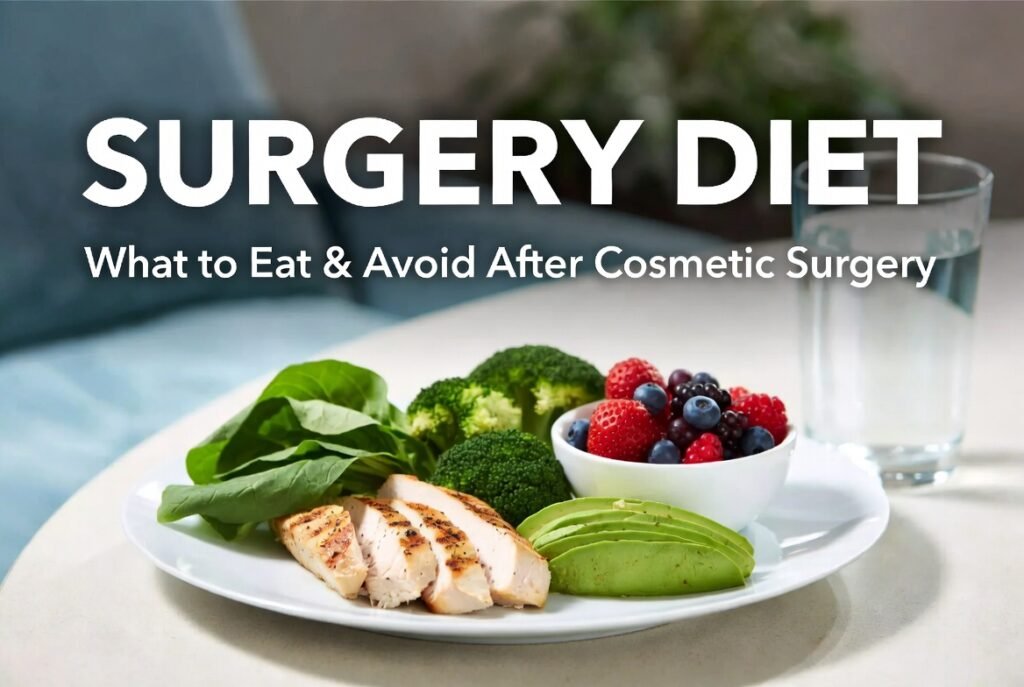
One of the common questions we get from patients is about the Post Surgery Diet, “what should I eat and what should I avoid to help my recovery?” and we’ll be answering that here in this blog post. At Advance Rehabilitation Services in Parsippany, New Jersey, we offer specialized support and treatment for patients recovering from cosmetic procedures. We are not nutritionists, but we are Certified Cosmetic Surgery Rehabilitation specialists and have treated dozens of patients and helped them get the best results from the cosmetic surgery procedures and from experience we have seen what works best!
Proper nutrition plays a powerful role in healing after cosmetic surgery. The right foods can minimize swelling, support tissue repair, and help you achieve the best possible outcome. A focused surgery diet emphasizes two core principles: significantly reducing sodium intake and prioritizing high-quality protein, while staying well hydrated.
Why Low Sodium Matters Most After Surgery
Sodium causes the body to retain fluid, which can intensify post-surgical swelling and delay visible results. Keeping daily sodium under 1,500 mg (similar to heart-healthy guidelines) is one of the most effective ways to look and feel better faster. Many patients are surprised to learn that seemingly healthy options like canned soups, sushi, or sports drinks are loaded with sodium.
Foods to Strictly Avoid (High-Sodium Offenders):
- Sugary beverages like sodas, sports drinks, and many flavored coffees
- Table salt, baking soda, and most sauces (soy, teriyaki, barbecue, salad dressings)
- Cured meats, bacon, deli meats, and smoked fish
- Regular and processed cheeses
- Pickles, olives, sauerkraut, and pickled vegetables
- Canned or instant soups and bouillons
- Roasted/salted nuts, pretzels, chips, and fast food
- Canned vegetables (unless labeled low-sodium)
Reading nutrition labels carefully is essential—some low-calorie foods contain surprisingly high amounts of sodium.
Smart Low-Sodium Choices:
- Fresh fruits (apples, bananas, berries, peaches, watermelon)
- Fresh vegetables (broccoli, cabbage, cauliflower, cucumbers, leafy greens)
- Whole grains such as rolled oats, shredded wheat, unsalted popcorn, and plain bread
- Lean proteins prepared without added salt
- Herbs and spices (garlic, ginger, basil, rosemary, lemon, vinegar) for flavor instead of salt
Prioritize Protein for Faster Healing
Protein supplies the building blocks your body needs to repair tissues, produce collagen, and recover efficiently. Aim for lean, low-sodium sources spread across your meals.
Good options include:
- Fresh chicken, turkey, lean beef, or veal
- Fish and low-sodium canned tuna or salmon
- Eggs, tofu, beans, and plain Greek yogurt
- Low-sodium cottage cheese or milk
Additional Recovery Nutrition Tips!
Avoid Seed Oils and Processed Foods!
Many modern cooking oils (such as canola, soybean, corn, sunflower, and vegetable oil blends) are highly processed and rich in omega-6 fatty acids that can promote inflammation. These man-made oils are not foods found in nature in their concentrated form and may slow your healing. Opt for natural fats like olive oil, avocado oil, or small amounts of unsalted butter instead.
Control Portions and Consider Intermittent Fasting
Your body needs energy to heal, not to constantly digest food. Overeating or frequent snacking diverts resources away from recovery. Focus on satisfying, nutrient-dense meals rather than grazing throughout the day.
What is Intermittent Fasting?
Intermittent fasting (IF) is a simple eating pattern where you limit your daily food intake to a specific time window (a common method is 16:8 — 16 hours fasting and an 8-hour eating window, such as eating between noon and 8 PM). Many patients find it helps reduce inflammation and supports healing by giving the body more time for repair. Always consult your surgeon before starting.
Stay Hydrated with Water
Water helps flush anesthesia and excess fluids from your system. Aim for plain water as your main beverage. Limit caffeine and avoid alcohol, as both can dehydrate you and worsen swelling.
Ready to Optimize Your Recovery?
Following a smart surgery diet is one of the best things you can do for smoother healing and beautiful results. For expert guidance and specialized care, contact Advance Rehabilitation Services in Parsippany, New Jersey today to inquire about our Post Cosmetic Surgery Lymphatic Therapy for the best results!